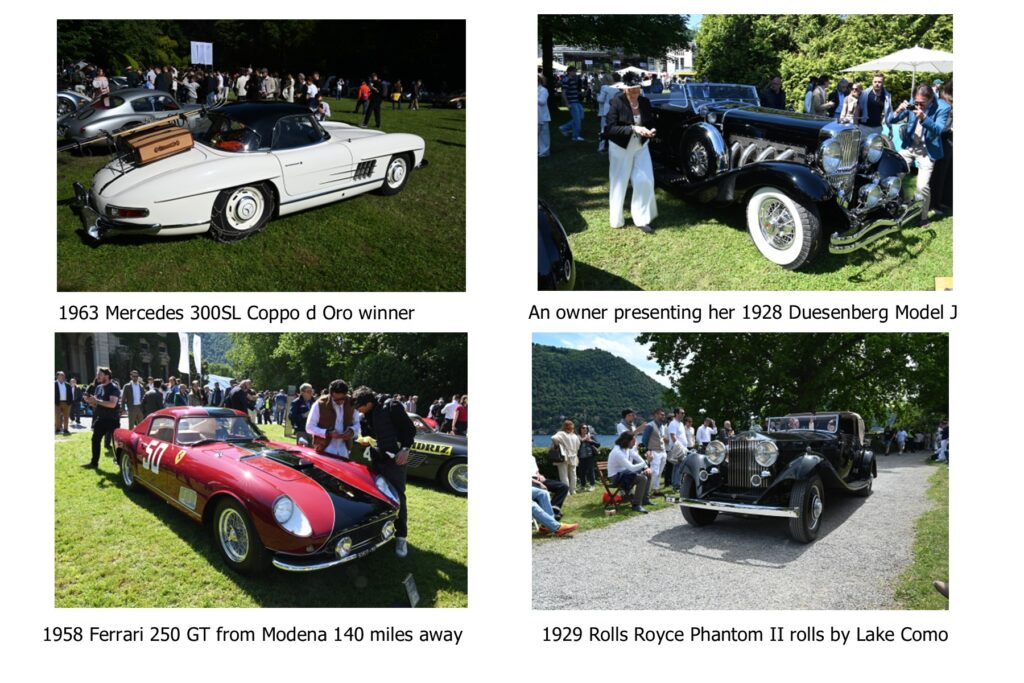
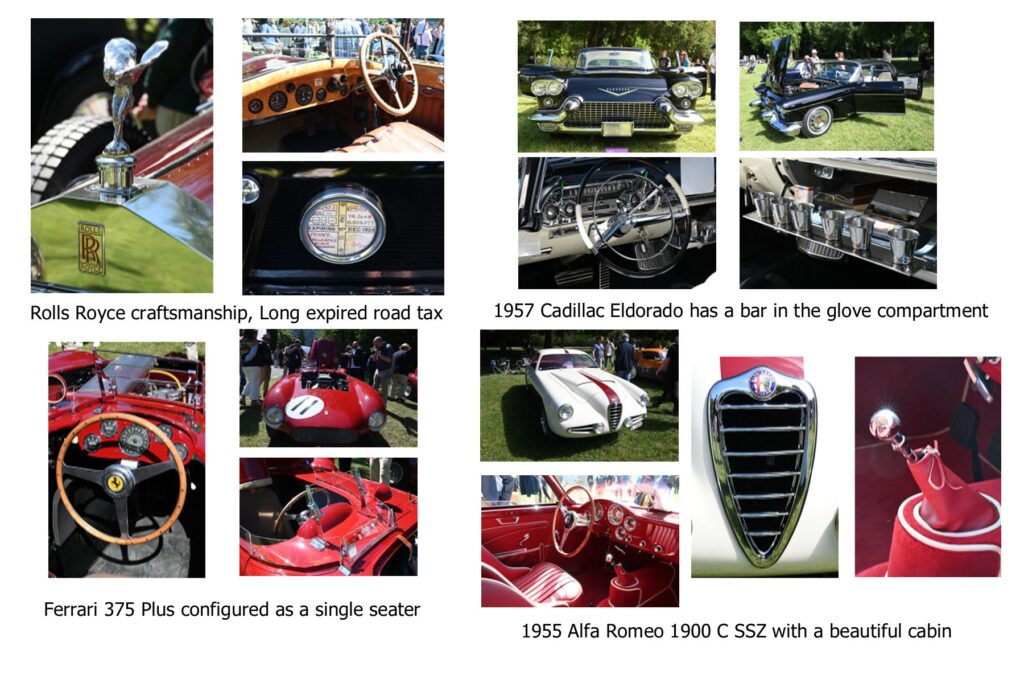
I was inspired by a BBC article featuring Massimo Bottura to travel to Emila-Romagna in late spring. Being a petrol head and foodie, it seemed only natural to visit “The Food Valley of Italy” and the home of Ferarri, Lamborghini and Pagani. But first, a stop on the way there at Como for the Concorso d Eleganza d Villa D’Este. This a competition that pits beautifully prepared vintage and classic cars together to win the “Best of Show” and “Coppo del Oro” prizes. The setting on a late spring day with clear blue skies was by the shores of Lake Como in Cernobbio. This was our introduction to the beauty and craftsmanship that were already present in these cars almost 100 years ago.
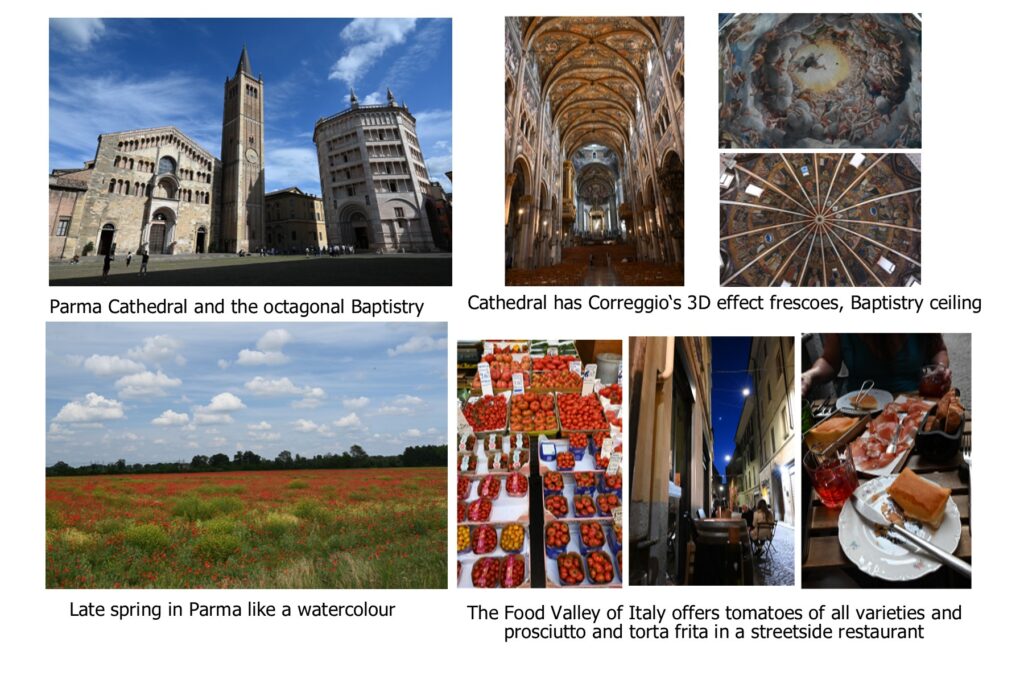
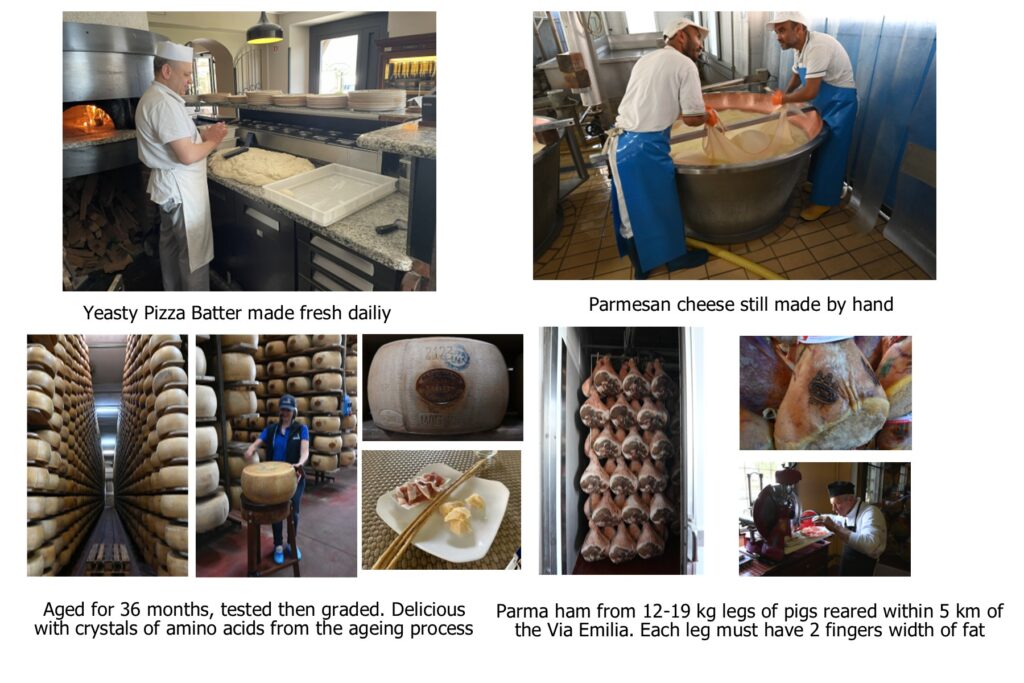
The article recommended a stay in Parma. This was the beginning of our journey through the “Food Valley of Italy” along the Via Emilia to experience craftsmanship in food. We had a small introduction in the excellent albergo that we stayed in in Cernobbio. Each morning we would see the chef making fresh pizza dough with yeast that had been passed down by generations before. In Parma, a visit to a Parmesan factory and Prosciutto d Parma factory showed the attention to detail in the production of these foods- much still done by hand.
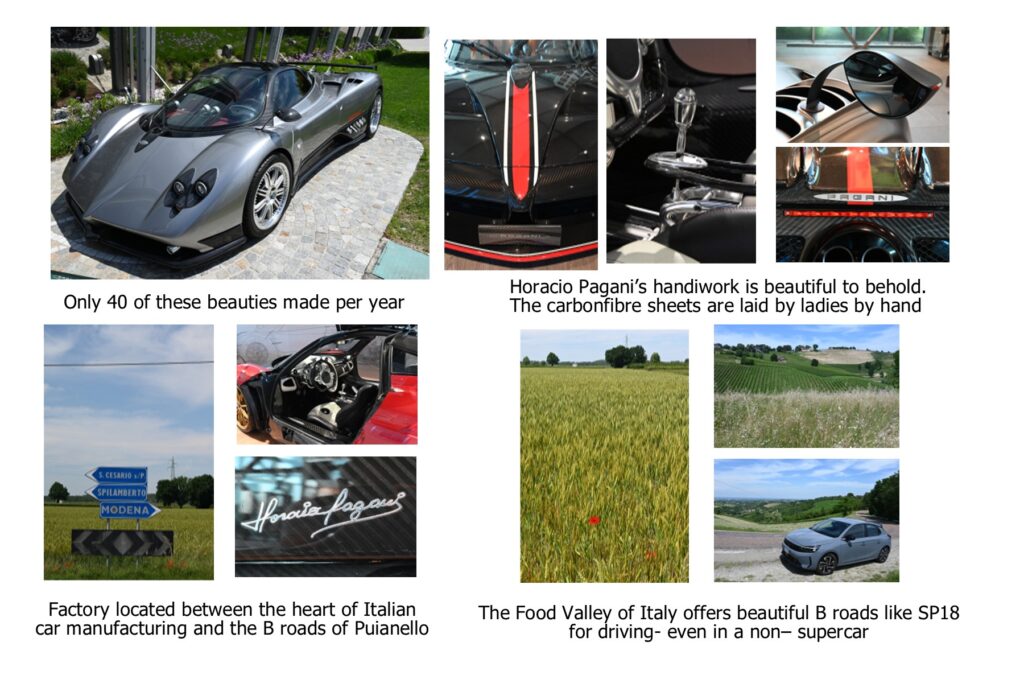
We enjoyed a short introduction to craftsmanship in car making at Pagani. This car is the product of Italian- Argentinian Horacio Pagani’s dream of building the perfect sports car. He is obviously proud of his handmade carbon fibre creations as his handwritten signature and the Pagani name are found all over the cars- down to last titanium bolt. A visit to the factory floor (no photos allowed and phones placed in little Pagani sacks) reveals the craftsmanship in the creation of these beauties. For example, a team of ladies place layers of carbon fibre sheet perfectly edge to edge before the bonnet is placed in an autoclave for curing. This produces the hallmark Chevron pattern on the cars surfaces. This meticulous assembly means only 30-40 Paganis are made every year. A base Pagani costs 2.5 million USD.
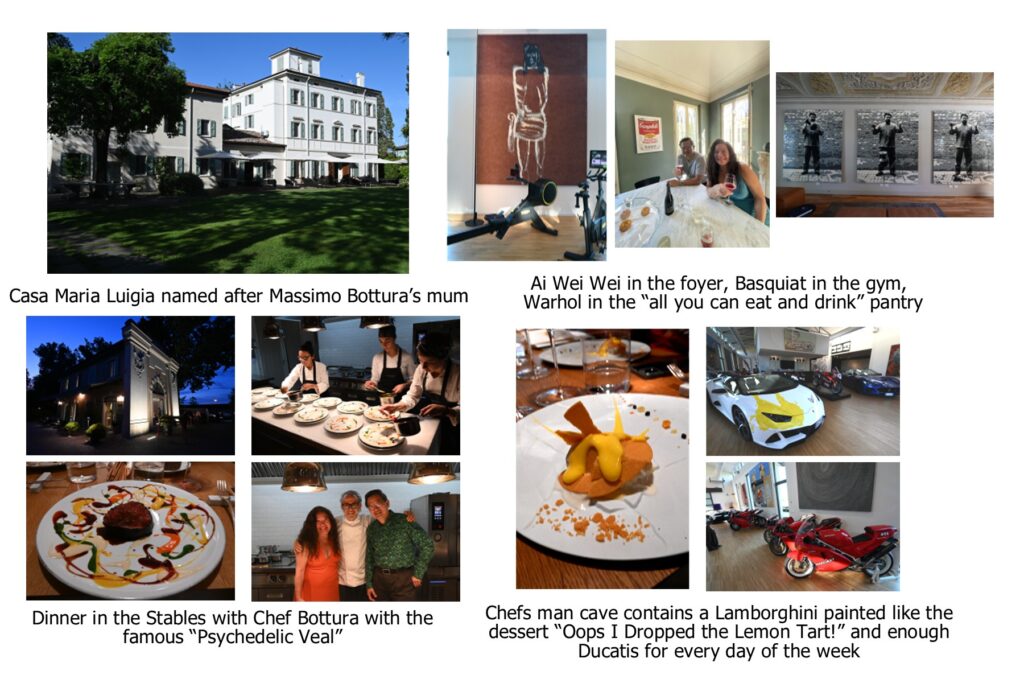
The high point of the trip was a stay at the famous chef’s hotel Casa Maria Luigia. This was like staying at a rich friend’s country house and then having him cook you a dinner of all the “Greatest Hits” from his 3 star Modenese restaurant Osteria Francescana. The hotel is fully staffed with young men and ladies at your beck and call. The pantry, decorated with an original Warhol, was “all you eat and drink all of the day” with an open bottle of Lambrusco always in the fridge. Of course, the gardens, pools and tennis court were all freely available for the guests to use. The estate’s special place was Mr Bottura’s playground- a fully equipped gym adorned with valuable artworks with a beautiful collection of a 1959 Ferrari 250GT Cabriolet, a Maserati and enough Ducatis for every day of the week. A special Lamborghini Huaracan commemorating his famous dessert “Oops! I Dropped the Lemon Tart” was a special treat. On the walls were Basquiats and Hirsts.
Ferrari is at Maranello just down the road from Mr Bottura’s oasis of calm. Before going to the Scuderia, it is useful to take a drive around the hills of Puianello. This is where Enzo and his test drivers use to bring their scarlet steeds. The roads are well maintained with beautiful agricultural landscape all around. They were immortalized in the movie “Ferrari” in 2023. Enthralling even when driven in an Opel Corsa. The Ferrari Museum is a tribute to Ferrari’s passenger cars and racing heritage. There is a display of all the Ferrari F1 cars with a special tribute to Micheal Schumacher. A trip to the Fiorano racetrack reveals that his lap time in a 2004 Formula 1 car is still the fastest lap time to date. Car production is the complete opposite of Pagani’s approach. Ferrari makes all their cars with engines that they produce in- house and the cars are made on assembly lines. Sixty Ferraris are made every day- more cars than Pagani makes in a year.
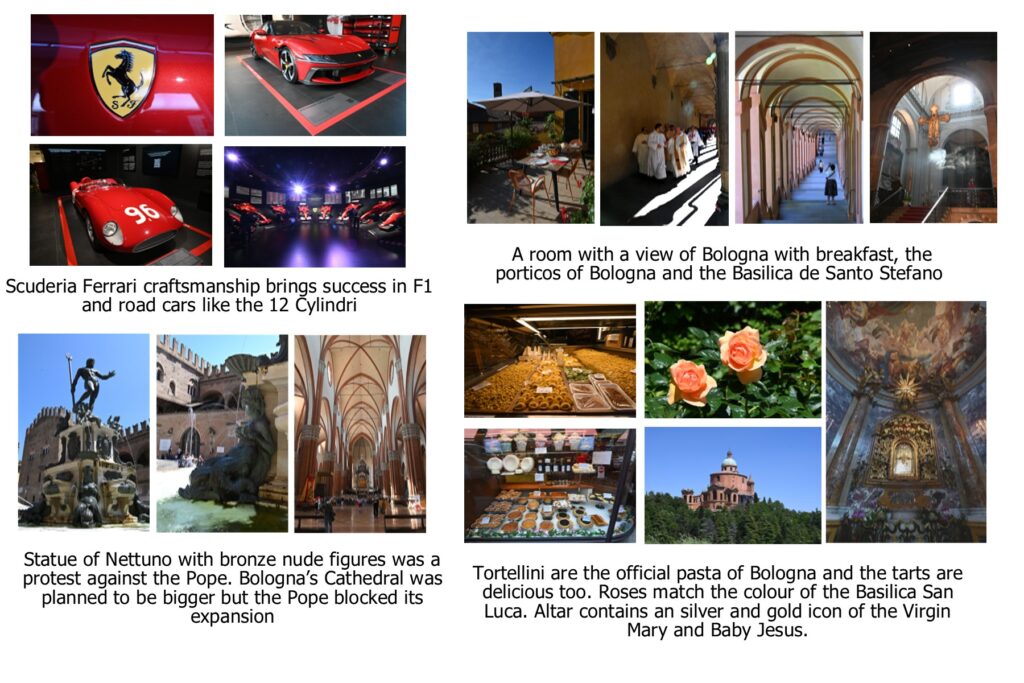
Our final stop in Emilio Romagna was Bologna. Our impression of this famous university town and capital of the Food Valley of Italy was this. It was an interesting mix of religion, education and business sense. The seven churches of Santo Stefano enclosed all the main sights of Jerusalem without having to travel to the holy land. The porticos of the city, now so useful as shade from the sun, were extensions of existing buildings to house the students that attended the University of Bologna- the oldest in the Western world. Both of these were sources of income. In the Plaza Nettuno stands a rather anatomically exact statue of Nettuno surrounded by fountain of 4 anatomically correct maidens. Jets of water emerge from where you would expect. This was apparently erected in front of the Pope’s apartments as a form of protest. Of course, the food shops of Bologna were amazing, stocked with their favourite pasta- fresh tortellini, all manner of cured meats like guanciale and cheeses from the region. When dining out, the real pasta from Bologna is Tagliatelle con Ragu and Tortellini with beef broth. Both are delicious. Spaghetti Bolognese simply does not exist on the menu.
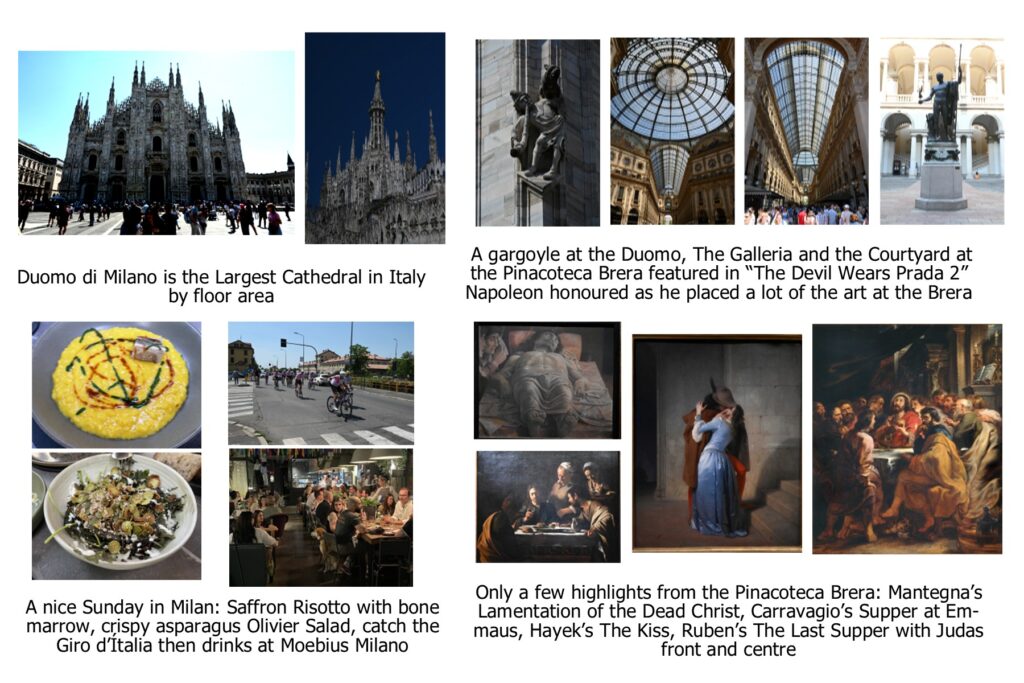
Returning to a big city like Milan was not a big change. The city is big but divided into intimate neighbourhoods. There is a modern area with skyscrapers but there are many streets lined with small shops, bars, delis and restaurants. We dined at these restaurants with modern Milanese cuisine and found that Milanese food is not all saffron risotto with bone marrow or veal Milanese. Modern Milanese had wonderful salads with asparagus and strawberries. Even the risotto with bone marrow was deconstructed. Perhaps the long hand of Chef Bottura had reached even into Milan. As a grand finale, a visit to the Pinacoteca Brera with a knowledgeable guide was wonderful. One should acknowledge Napoleon for placing such a concentration of beautiful paintings including Rubens “The Last Supper” and Hayek’s “The Kiss” in one location for all of us to enjoy.