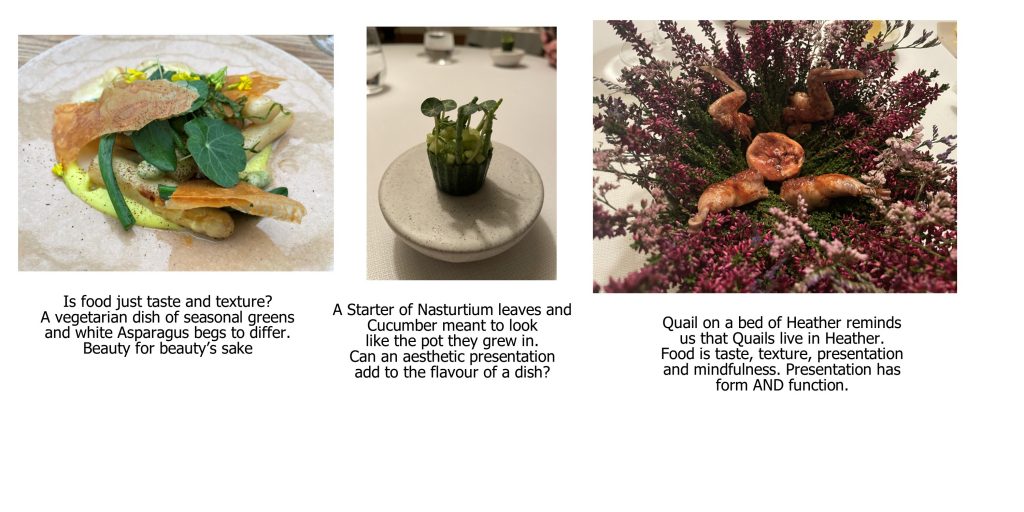
As an aesthetic surgeon, I am regularly improving the form of a patient to achieve a more harmonious and beautiful appearance. How do we approach this when we all know that there are racial and ethnic differences and differences in what is considered “beautiful”? We have some basic principles. Most would agree that symmetry and good proportions are universal signs of beauty. In the plastic surgery literature, there are other “rules” to follow.
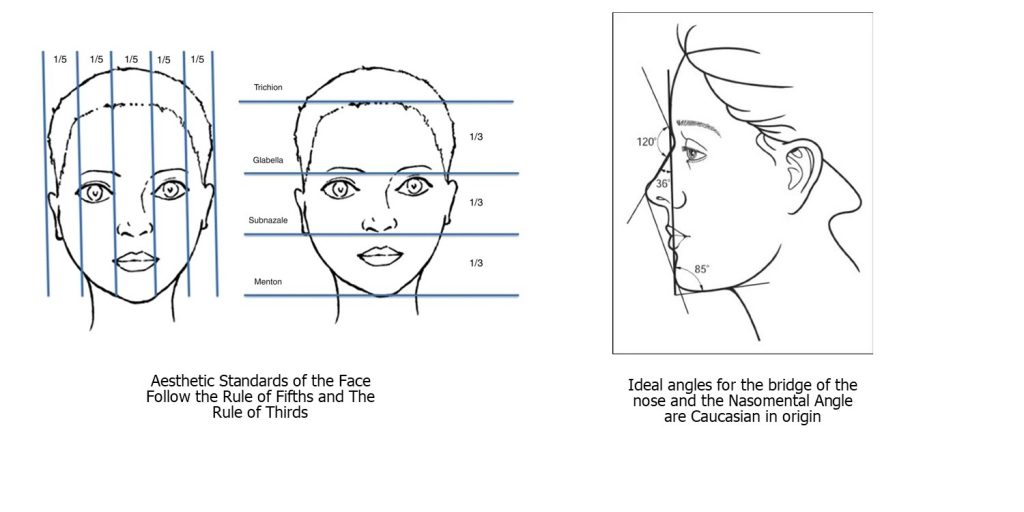
Then, I went to Norway and saw that it was possible that beauty could be a result of function. An inflatable boat safari to visit sea eagles in the Lofoten Islands showed that the obvious beauty of these eagles was a product of the need to be aerodynamic and remain warm. Large feathers in front to allow aerodynamic efficiency and speed and down feathers underneath that for insulation create a beautiful result. Similarly, the haunches of a Boxster are determined by aerodynamics and, incidentally, beautiful.
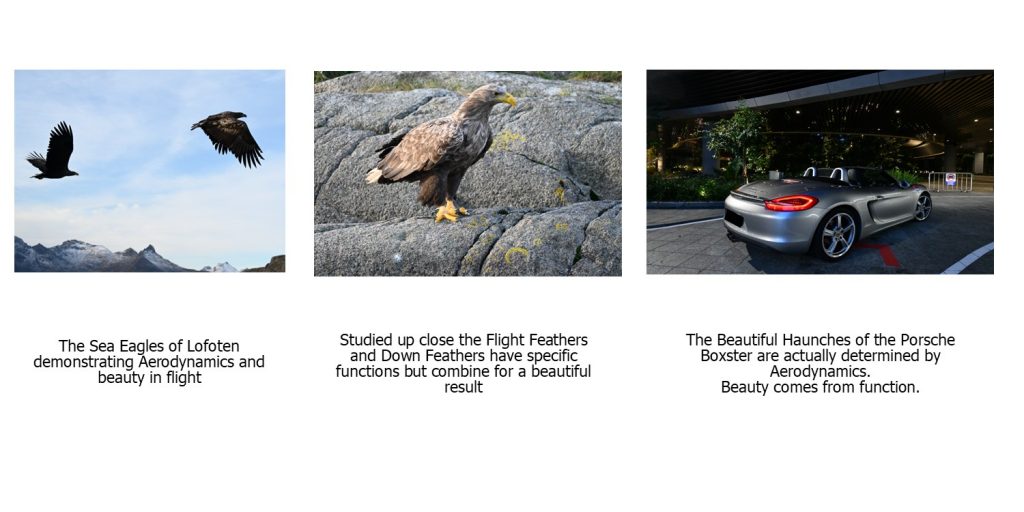
By the same token, the beautiful symmetry of plants when viewed from above is determined by function. Plants are the original “solar cells” and so each leaf must gain maximum exposure to the sun. Conifers in colder climates have small leaves to avoid being overly burdened by snow but small leaves mean less surface area for photosynthesis. The royal pines in Kanazawa’s Kenrokuen have to spread these leaves out for maximum efficiency to survive. Again, beauty determined by function.
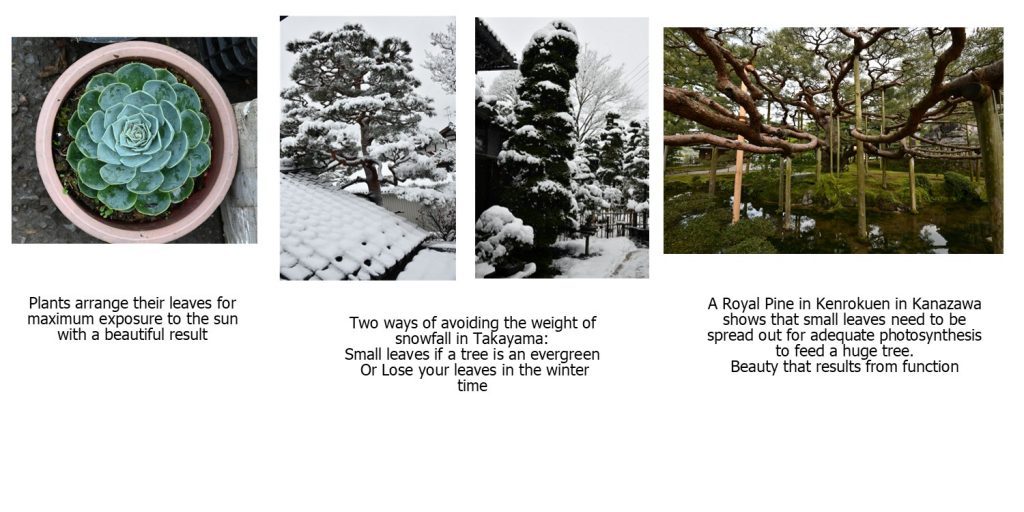
Finally, at a dinner in Copenhagen, we encountered aesthetics for aesthetics sake. Most would agree that the most important aspect of a good meal is flavour, mouthfeel and temperature. At this meal we encountered presentation and plating that enhanced the food. Is that possible? If so, this would mean beauty for beauty’s sake has a place in our world. This appeals to me as an aesthetic surgeon.